1. The agro-industrial potential of the gateway to East Africa
The East African community is experiencing a massive wave of agro-industrial modernization. Strategically located as a maritime gateway connecting East African nations with land access to global trade routes, Tanzania is rapidly transitioning from traditional subsistence farming to high-value, vertically integrated food processing. Today, expanding the agribusiness in Tanzania has emerged as a primary focus for international trade development agencies, private equity funds, and global purchasing directors looking to build resilient, ethical, and highly compliant sourcing channels.
With vast arable land, fertile highlands, and a government actively promoting private industrial participation, the country is ripe for investment. However, to bypass the traditional commodities trap, the market requires models that prioritize local value-addition and cold-chain integrity at the source. This is the core foundation of the DCCI Framework (Development Based on Internal Consumption Capacity). Developed by ProdAfrica, the DCCI framework asserts that long-term economic resilience is achieved when local industries process raw materials locally, thereby elevating regional purchasing power and domestic consumption capacity.
📌 B2B Strategic Briefing: Agricultural Sourcing
- Operational Focus: Turnkey Post-Harvest Management, Cold-Chain Infrastructure & Automated Grading (East African SADC Corridors).
- CAPEX Audit Parameter: Sourcing facilities must possess solar-powered refrigeration units, digital product-tracing systems, and phytosanitary quality seals compliant with international standards (such as GlobalGAP or HACCP).
- Regulatory Alignment: Direct contribution to EU-CBAM carbon-footprint reporting and EUDR (Deforestation Regulation) compliance for fresh agricultural exports.
- DCCI & ATIS Integration: Strategic alignment with DCCI Pillar 2 (Sovereign Production) and the ATIS Trade Compliance Standard. By utilizing modern processing and cold-chain hubs, local exporters can transition from raw, un-audited suppliers to compliant, verified global trade partners.
To navigate this high-potential but structurally complex market, international B2B buyers rely on independent auditing frameworks. The ATIS Standard (African Trade Intelligence Standard) developed by ProdAfrica rates Tanzania with a baseline score of 5.8 out of 10, reflecting moderate logistical connectivity (6.4) and evolving trade compliance. In this environment of high agricultural opportunity but moderate institutional formalization, identifying vetted, high-integrity local processors is the critical step to de-risking trade corridors and establishing secure B2B partnerships.
2. The DCCI Framework: Re-Engineering Local Agro-Processing Loops
Historically, much of East Africa’s agricultural wealth was exported as raw, unprocessed commodities. This model left local smallholder farmers highly vulnerable to global price fluctuations, seasonal market gluts, and high post-harvest losses, which historically exceeded thirty-five percent due to inadequate cold-chain infrastructure.
The transition toward a resilient, DCCI-aligned business in Tanzania addresses this structural gap by encouraging the establishment of local processing loops. In agribusiness, local value-addition represents the ultimate economic catalyst. Converting raw vegetables and fruits into packaged, export-grade fresh products, refined oils, or regional consumer brands keeps the economic benefits within the domestic economy. This process:
- Generates stable, skilled local employment across manufacturing, food science, and industrial packaging.
- Reduces national reliance on expensive, imported finished goods, preserving foreign exchange reserves.
- Strengthens domestic market resilience by building a robust internal consumption capacity that insulates local economies from global supply chain shocks.
For international buyers, sourcing from vertically integrated processing units in Tanzania ensures structural traceability and compliance with modern ESG (Environmental, Social, and Governance) frameworks. Rather than buying from unverified brokers, partnering with local processors who control their value chain from field to factory ensures a secure, compliant, and sustainable supply.
3. Self-Made Leadership: Hadija Jabiri and GBRI (EatFresh)
The power of self-made entrepreneurship in the East African agricultural sector is perfectly illustrated by Hadija Jabiri, the founder and CEO of GBRI (Guaranteed Best Delivery), and the visionary behind the leading fresh produce export brand EatFresh.
Jabiri’s journey is a masterclass in corporate courage, bootstrap tenacity, and local value-addition:
- The Commodity Origin: Founded in 2015 in the fertile Southern Highlands of Iringa, GBRI began as a basic trading company focused on sourcing fresh vegetables from local smallholder farmers.
- The Leap into Vertical Integration: Recognizing that regional smallholders suffered from a lack of market access and high post-harvest losses, Jabiri took the courageous step to transition into agro-processing and direct cold-chain management. She established a structured contract farming model, providing local farmers with high-quality seeds, technical training, and guaranteed market rates.
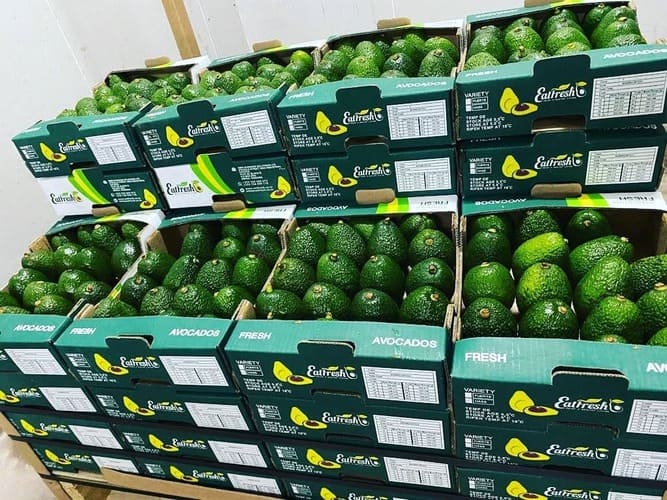
- The Cold-Chain and Packaging Infrastructure: To meet the strict regulatory requirements of European buyers, GBRI invested in modern, on-site cold-chain facilities, grading stations, and packaging lines in Iringa. Under their commercial brand “EatFresh,” they began processing and packaging export-grade green beans, peas, and baby corn directly at the source.
- Sovereign Scaling and Social Impact: Today, GBRI works with a network of over 5,000 smallholder farmers, creating sustainable livelihoods, reducing post-harvest losses to a minimum, and actively exporting high-value, certified fresh produce directly to premium retail markets in the United Kingdom, the Netherlands, and across Europe. Furthermore, over 70% of GBRI’s workforce consists of young local women, driving genuine community empowerment.
By converting local fresh produce into high-demand, certified export-grade consumer goods, GBRI embodies the DCCI model on the ground: reducing crop waste, creating local manufacturing jobs, and keeping the economic value within the regional SADC/EAC supply chain.
4. De-risking East African Trade with the ATIS Standard
For European and regional B2B buyers looking to engage with the growing agribusiness in Tanzania, performing rigorous due diligence is a necessity. While the country’s agricultural potential is vast, operational challenges such as transport bottlenecks, currency volatility, and fragmented supply chains require verified partnerships.
This is where digital discovery and independent auditing become valuable. Vetting local suppliers through our structured database ensures that buyers connect with legally formalized, trade-ready partners. On the ProdAfrica Business Directory, identifying entities with verified badges is the definitive standard to find verified suppliers in Africa, helping international businesses secure reliable, transparent, and highly resilient sourcing channels.
Through the integration of our secure “Verification Tier” selection tool, European buyers can quickly discover verified Tanzanian agro-processing hubs (such as GBRI in Tanzania) that possess the financial solvency and operational readiness to invest in high-ticket trade contracts, eliminating market entry friction and building secure, bilateral pipelines.
5. Co-Developing the Euro-African Sovereign Trade Axis
The future of bilateral trade does not rely on isolated efforts. It requires a seamless partnership between physical trade agencies and digital intelligence platforms. By utilizing the structured database of ProdAfrica to monitor and promote certified local manufacturers across Africa’s premier economic blocs—including the SADC, EAC, ECOWAS, and the Mediterranean Maghreb corridor—European trade promotion organizations and independent internationalization consultants can drastically reduce market entry friction for their SME clients.
As these strategic markets continue to industrialize under the DCCI model and integrate through the AfCFTA protocols, this collaborative approach will ensure that the bilateral trade pipelines connecting Europe and Africa remain highly secure, transparent, and resilient for the long term.