The Molecular Transformation of an Industrial Heartland
The Botswana Citrus Industry is currently undergoing a radical structural metamorphosis, moving beyond its traditional mining roots toward a model of agri-industrial sovereignty. At the ProdAfrica B2B Intelligence Hub, we identify the Selebi-Phikwe Citrus Project as the most significant diversification asset in the SADC region.This report provides a surgical analysis of the 1,500-hectare node, its technical moats, logistical arteries, and its alignment with the DCCI (Development Based on Internal Consumption Capacity) framework.
📌 Industrial Snapshot: The Phikwe Citrus Node
- Operational Center: Selebi-Phikwe, Central District, Botswana.
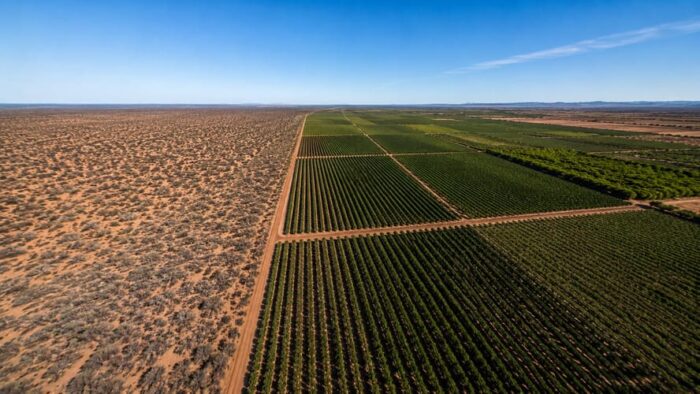
- Industrial Scale: 1,500 hectares / Over 1,000,000 citrus trees (Valencia oranges, Star Ruby grapefruit, and Eureka lemons).
- Water Infrastructure: Specialized pipeline from the Letsibogo Dam and the Motloutse River corridor.
- Regulatory Anchor: SPEDU (Special Economic Zone status) and the Ministry of Agriculture of Botswana.
- DCCI Alignment: Exemplary execution of Pillar 2 (Sovereign Production), moving a local economy from mineral extraction to high-value bio-manufacturing and export-ready agriculture.
I. Macroeconomic Context: From Extraction to Endogenous Growth
the transition from a resource-dependent economy to a Level II industrializing hub requires the domestication of the value chain. The growth of the Botswana Citrus Industry represents a High-Yield Manufacturing Asset. Unlike the volatility of the nickel market, high-grade citrus represents a recurring revenue stream with an appreciating biological asset base.
In our current ProdAfrica B2B Index, Botswana holds a 7.5/10 Integrity Score. This institutional stability is the prerequisite for the multi-million dollar Foreign Direct Investment (FDI) that has funded the Phikwe Citrus project. The project acts as a hedge against mining cycles, providing a blueprint for regional economic resilience.
II. Technical and Agronomic Moats: The Industrial Edge
The selection of Selebi-Phikwe for large-scale citrus production is a decision backed by technical data. The region’s specific micro-climate—high heat units and controlled humidity—facilitates the production of citrus with a superior sugar-to-acid ratio (Brix level), which is the primary KPI for the high-end European and Asian retail markets.
Operational Highlights:
- Vertical Integration: The hub is designed to host on-site tertiary processing, including essential oil extraction and industrial-grade juicing facilities. This minimizes “Value Leakage,” ensuring that the economic multiplier stays within the Botswana corridor.
- Technological Sourcing: Utilizing Israeli-developed precision irrigation and AI-driven soil monitoring, the project optimizes the water-to-yield ratio, a critical factor in the arid Southern African landscape.
- Standardization: The project is engineered to meet GLOBALG.A.P. and Siza certifications from day one, reducing the “Compliance Friction” for B2B partners in the European Union.
III. Logistical Tenacity: Navigating the Cold-Chain Axis
A primary pillar of the B2B Axis is Logistical Tenacity. For a perishable asset like citrus, the “Time-to-Market” determines the financial integrity of the export. Selebi-Phikwe is strategically positioned to leverage three continental gateways:
- The Atlantic Bridge: Utilizing the Trans-Kalahari Corridor to reach the Port of Walvis Bay (Namport). This route offers a 30% reduction in shipping time to Northern Europe and Barcelona compared to traditional eastern routes.
- The SADC Artery: Seamless rail and road integration with South Africa’s industrial heartland, allowing for regional import substitution.
- Mediterranean Synergy: As we promote in our Barcelona Trade Mission, the Port of Barcelona acts as the ideal Mediterranean entry point for verified Botswana citrus, offering specialized cold-chain infrastructure that aligns with our African Trade Intelligence Standard (ATIS).
IV. ESG and Global Trade Compliance: The EU-Africa Standard
In the 2026 trade environment, particularly under the EUDR (EU Deforestation Regulation) and the evolving CBAM protocols, the “Integrity Density” of the producer is the ultimate filter.
Selebi-Phikwe Citrus has integrated ESG (Environmental, Social, and Governance) principles into its core operations. By rehabilitating land previously impacted by mining and implementing solar-integrated power grids, the hub provides a “Low-Carbon, High-Integrity” product. At ProdAfrica, we provide the Verified Seal for such nodes, ensuring that international procurement officers can audit the supply chain’s social and environmental footprint in real-time.
V. DCCI Synthesis: The Path to Industrial Maturity
Our surgical analysis identifies the Botswana Citrus Industry as a primary catalyst for the Development Based on Internal Consumption Capacity (DCCI):
- Internal Market Maturation (Pillar 1): The project creates over 1,500 direct industrial jobs and supports a secondary tier of local SMEs in the packaging, transport, and maintenance sectors. This expands the domestic middle class, fueling the Internal Purchasing Power required for Botswana’s transition to a Level III economy.
- Sovereign Production (Pillar 2): By domesticating the processing of citrus derivatives, Botswana reduces its dependency on imported food ingredients and industrial flavorings, reinforcing national economic sovereignty.
- Infrastructure Maturity (Pillar 3): The modernization of the Selebi-Phikwe airport and rail links to support the citrus hub benefits all other sectors in the region, creating a “Logistical Halo Effect” that attracts further B2B investment.
The Strategic Recommendation
The Selebi-Phikwe citrus corridor is the definitive evidence that Botswana is ready for Professional Industrial Scaling. For the institutional investor, it represents a de-risked, high-prestige entry point into the most stable market in the SADC.
The era of “Raw Africa” is over; the era of “Industrialized Africa” is being built in the groves of Selebi-Phikwe.
Are you an industrial retail partner, global logistics provider, or technology investor? Access the comprehensive Selebi-Phikwe Agri-Hub profile and strategic market briefs in the Botswana B2B Intelligence Hub.