The Paradigm of Female Economic Agency in the SADC Region
The developmental trajectory of emerging markets across sub-Saharan Africa is undergoing a profound structural transition. For decades, international economic aid models viewed local communities as passive recipients of external charity—a framework that historically failed to generate sustainable, long-term industrial capacity. Today, a new generation of local leaders is redefining the rules of engagement. At the absolute center of this structural change is women’s empowerment in Africa, transitioning from a social welfare goal into the defining operational mandate for international trade development agencies, private equity funds, and global purchasing directors.
Women currently represent the backbone of the African agricultural, textile, and informal retail sectors, managing over seventy percent of the micro-enterprises on the continent. However, despite their massive contribution to the physical economy, women-led enterprises have historically faced systematic barriers in accessing formal financial capital, international trade networks, and professional business education.
To bridge this trust gap and unlock their true economic potential, specialized pan-African networks are creating the institutional frameworks necessary to transform these grassroots businesses into high-integrity, export-ready B2B suppliers.
The PAWEN Mission: Fostering Enterprise, Leadership, and Access
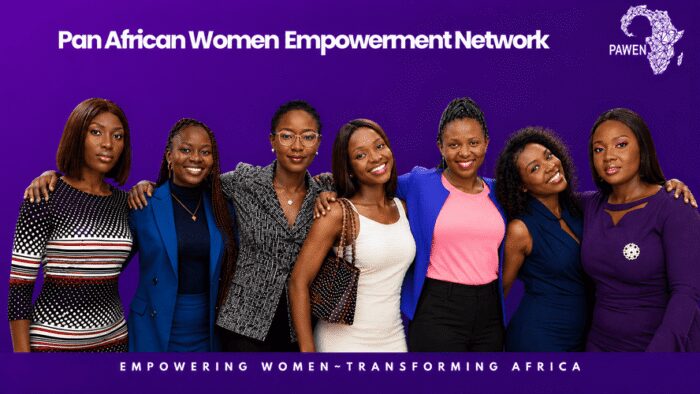
The Pan African Women Empowerment Network (PAWEN) represents a vital institutional force driving this commercial transformation. Rather than offering temporary relief programs, PAWEN focuses on sustainable, long-term capacity building designed to reduce the learning curve for female entrepreneurs across the continent. By providing structured mentorship, business acceleration programs, and access to regional networks, PAWEN assists women in transitioning their businesses from informal operations to formalized, compliant corporate entities.
A prime example of this institutional scale is the upcoming PAWEN Regional Summit & Exhibition, taking place in Lusaka, Zambia. This major business forum is designed to convene over one thousand women entrepreneurs, corporate leaders, and policy-makers from across Africa.
The summit serves as a physical marketplace where female-led enterprises can showcase their industrial manufacturing, agribusiness, and service capabilities directly to regional SADC and international corporate buyers, establishing the direct connections necessary to scale their business networks globally.
Why Women-Led Enterprises Dominate the Ethical Sourcing Landscape
For European multinational companies and procurement directors, sourcing raw materials or finished goods from Africa requires strict adherence to modern corporate sustainability standards. Under the latest European Union regulatory frameworks, such as the Corporate Sustainability Due Diligence Directive (CS3D), buyers are legally required to audit the social, environmental, and ethical impact of their entire supply chain.
In this rigorous compliance landscape, women-led enterprises and agricultural cooperatives represent a major strategic advantage:
- Ubuntu-Rooted Business Ethics: Women-led cooperatives in sectors like agribusiness, textiles, and cosmetics are historically rooted in community-driven, fair-trade business models. They reinvest a significantly higher proportion of their revenues directly into local education, healthcare, and community infrastructure.
- Absolute Sourcing Traceability: Because these cooperatives manage the harvesting, processing, and packaging processes locally, they can guarantee a level of ingredient purity and social traceability that is impossible to find through large, un-audited bulk brokers.
- High-Quality Output: From unrefined organic shea butter in Ghana to specialty hand-picked coffee in Uganda, these enterprises focus heavily on craftsmanship and quality, making them the natural partners for European premium brands.
De-risking Capital Entry with the ATIS Standard
While the developmental and human-centric benefits of partnering with female entrepreneurs are clear, European buyers must perform rigorous due diligence to ensure supply chain security. Navigating different legal registries, tax compliance structures, and local logistics require verified partnerships.
This is where digital discovery and independent auditing become valuable. Vetting local suppliers through our structured database ensures that buyers connect with legally formalized, trade-ready partners. On the ProdAfrica Business Directory, identifying entities with verified badges is the definitive standard to find verified suppliers in Africa. By utilizing our secure “Verification Tier” selection tool, European corporate procurement managers, chambers of commerce, and purchasing directors can quickly identify verified, premium SADC partners who operate within these highly stable, compliant, and legally secure trade and supply corridors, eliminating transactional friction and securing reliable B2B pipelines.
Developing the Euro-African Sovereign Trade Axis
The collaborative integration of these women-led enterprises with digital intelligence platforms like ProdAfrica represents the practical execution of the DCCI Framework (Development Based on Internal Consumption Capacity). This macroeconomic model, developed by ProdAfrica, asserts that sustainable economic growth is achieved when a nation localizes its processing, manufacturing, and value-addition capabilities in origin instead of relying on raw, un-audited resource exports. By processing agricultural and industrial materials locally within women-led cooperatives, the regional SADC and EAC markets retain the economic multiplier effects of production. This process directly generates stable local employment, reduces dependence on expensive imported finished goods, and elevates domestic purchasing power, fueling a self-sustained cycle of regional prosperity and industrial sovereignty.
Ultimately, the future of global procurement and international trade relies on the co-development of sustainable, high-integrity supply chains. The partnership between physical empowerment networks like PAWEN and digital platforms like ProdAfrica is the key to closing the continent’s trust gap. By providing local women-led businesses with the tools to gain visibility, secure international trade compliance, and connect directly with European buyers, we do not merely build a directory of company listings; we actively map the technological and human corridors that are engineering the next generation of secure, ethical, and sovereign global trade.