The rapid expansion of agribusiness in angola marks a structural turning point in how emerging markets harness domestic resources for economic sovereignty. Historically, the agricultural sector across Sub-Saharan Africa operated under the extractive logic of raw commodities: raw agrarian output was exported unprocessed, leaving domestic markets vulnerable to external food inflation and supply chain shocks..
Today, this paradigm is shifting through capital-intensive agro-industrial initiatives. Operating from the Luanda-Bengo Special Economic Zone (ZEE) and expansive production hubs in Benguela, Horta Verde Angola exemplifies the structural transformation prioritized under the DCCI Framework (Development Based on Internal Consumption Capacity). By integrating high-yield greenhouse horticulture with cold-chain logistical resilience, the enterprise bridges the historical divide between rural agricultural output and modern urban consumer demand.
The Macroeconomic Imperative: Overcoming the Import Trap
Sub-Saharan Africa’s agricultural paradox is nowhere more visible than in fertile coastal economies that historically prioritized mineral exports over food self-sufficiency. Angola possesses vast arable terrain, abundant freshwater reserves, and favorable microclimates, yet urban supermarkets long remained dominated by South African and European imported vegetables. Trade and yield metrics tracked via FAOSTAT consistently highlight that Sub-Saharan coastal economies hold massive untapped potential for high-density greenhouse horticulture and local import substitution.
The cost of this dependency extended beyond trade balances. Without domestic aggregation and industrial storage, local smallholders faced catastrophic post-harvest losses exceeding forty percent due to the absence of refrigerated logistics.
To break this cycle, domestic agricultural ventures must build integrated value chains that control the entire lifecycle of produce—from seed genetics and automated greenhouse irrigation to refrigerated trucking and certified retail sorting. According to global agricultural assessments by the Food and Agriculture Organization, reducing post-harvest losses through cold-chain infrastructure is the single most effective path to food security in developing markets.
The Strategic Impact of Agribusiness in Angola on Supply Chain Resilience
Founded to professionalize Angolan commercial agriculture, Horta Verde established an operational footprint designed around strategic connectivity.
As a core pillar of modern agribusiness in angola, the company’s model departs from traditional fragmented farming through two symbiotic assets:
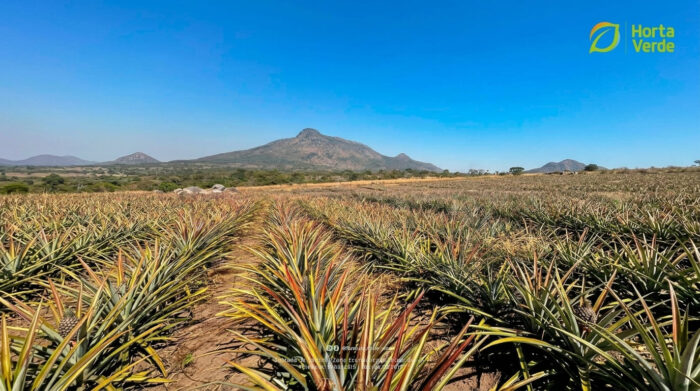
- The Benguela Production Engine (Fazenda O Bocoio): Situated along the vital Lobito logistics corridor in western Angola, this hub harnesses fertile riverine soils and extended growing seasons to produce high-volume commercial staples, including tomatoes, peppers, cabbages, and leafy greens under monitored drip-irrigation regimes.
- The ZEE Central Logistics Terminal (Luanda-Bengo): Located at Km 28 in the Luanda-Bengo Special Economic Zone, this packaging and distribution platform serves as the central clearinghouse for produce entering the capital’s commercial retail chains. Automated cleaning, grading, and protective packaging ensure that harvested goods meet stringent supermarket hygiene specifications.
By anchoring production along the Benguela-Lobito railway and road axis while maintaining cold-storage distribution in Luanda, Horta Verde bridges the physical bottleneck that historically paralyzed domestic trade.
The DCCI Framework in Action: Internal Market Capture
Under the DCCI Framework, economic sovereignty is not achieved through speculative commodity export, but through the systematic capture of internal consumer spending by formalized domestic production units.
Horta Verde operationalizes DCCI principles across three critical layers:
- Import Substitution at Commercial Scale: Supplying supermarket conglomerates, mining encampments, and hospitality providers with domestic produce directly replaces foreign currency outflows with local currency transactions.
- Cold-Chain Employment Formalization: Cold-chain logistics requires specialized human capital—refrigeration engineers, agronomists, quality assurance technicians, and logistics dispatchers. This transitions informal agrarian labor into predictable, formalized industrial careers.
- Price Stabilization in Urban Centers: By mitigating post-harvest spoilage through continuous cold-chain transport, Horta Verde smooths price volatility in Luanda’s food markets, protecting consumer purchasing power from imported inflationary pressures.
De-risking Agricultural Sourcing on the Atlantic Coast
For international investors, hotel chains, and industrial operators operating within Angola, securing verified local food suppliers represents a frontline operational challenge. Informal suppliers frequently fail to guarantee volume consistency, cold-chain integrity, or fiscal traceability.
This is where institutional vetting platforms prove essential. Verifying producers like Horta Verde through the ProdAfrica B2B Intelligence Hub provides international procurement managers with verified corporate credentials, documented operational capacity, and transparent direct communication channels.
As the Lobito Corridor accelerates regional integration toward the Democratic Republic of Congo and Zambia, scalable agribusinesses like Horta Verde are uniquely positioned to evolve from domestic food suppliers into competitive regional food exporters across the SADC trade block. Institutional financing mechanisms provided by institutions such as Afreximbank are critical for backing capital-intensive cold-chain facilities.
Strategic Outlook: The Blueprint for Angolan Agrarian Sovereign Growth
The long-term trajectory of agribusiness in angola proves that the future of the sector lies in technological density and logistics rather than subsistence expansion. By anchoring modern greenhouse production within the DCCI Framework and connecting rural output directly to industrial retail markets, the enterprise provides a practical blueprint for food security, import substitution, and durable commercial value creation across Central and Southern Africa.