The Potential of a Regional Interface
Burundi, situated at the intersection of the East African Community (EAC) and the Economic Community of the Great Lakes Countries (CEPGL), possesses a high density of natural and cultural assets that remain undercapitalized. In the context of the AfCFTA, these “hidden gems” are not merely tourist attractions; they are the foundation for a high-value service economy and sustainable agribusiness value chains.
This report evaluates Burundi’s primary environmental and cultural nodes through the lens of the DCCI Framework, identifying the infrastructure requirements necessary to transition these assets into sovereign economic multipliers.
1. Environmental Infrastructure and Biodiversity Anchors
The conservation of Burundi’s primary ecosystems is a prerequisite for regional climate resilience and high-end eco-tourism investment.
- Kibira National Park: A critical montane rainforest ecosystem. It serves as the primary catchment area for the nation’s hydrological network. From a B2B perspective, Kibira represents a significant opportunity for carbon-credit markets and sustainable pharmaceutical research (bioprospecting).
- Rusizi National Park: Located at the strategic delta of the Rusizi River and Lake Tanganyika, this park is a vital node for wetland management. Its proximity to Bujumbura makes it a primary candidate for integrated urban-environmental logistical planning.
- Mount Heha and the Karera Waterfalls: These high-altitude assets are essential for the diversification of the agro-industrial landscape, particularly in the premium coffee and tea segments which require specific micro-climates.
2. Logistical Connectivity: The Lake Tanganyika Axis
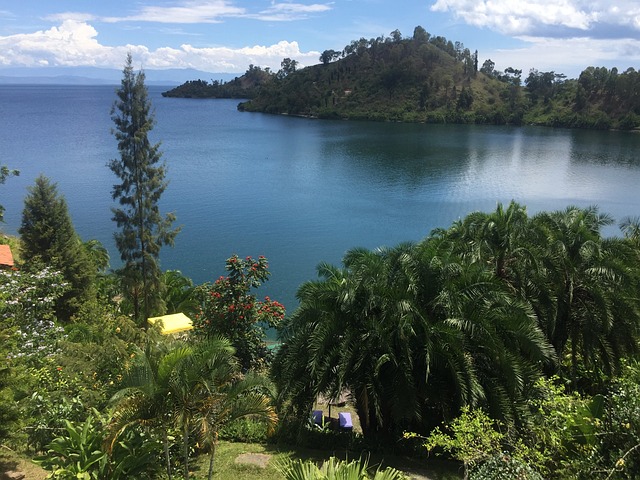
Lake Tanganyika is not just a natural wonder; it is a Multimodal Logistical Corridor. It connects Burundi directly to the rail and road networks of Tanzania (Dar es Salaam), Zambia, and the DR Congo.
- Maritime Trade: The Port of Bujumbura is the gateway for the “Central Corridor.” Modernizing the ferry and cargo infrastructure on the lake is essential for reducing the “transactional friction” of landlocked trade.
- Saga Beach and Coastal Development: The development of international-standard hospitality infrastructure along the shores of Lake Tanganyika is required to anchor foreign management talent and regional business delegations.
3. Cultural Capital and Institutional Identity
The preservation of historical sites is fundamental for building a stable “Country Brand” that attracts long-term institutional investment.
- Gitega National Museum and the Kiganda Royal Drum Sanctuary: These sites represent the “Sovereign Heritage” of Burundi. In the global service economy, cultural authenticity is a non-fungible asset that drives the “Experience Economy.”
- The Royal Palace of Ntare Rushatsi: An architectural anchor that provides the historical legitimacy required for national institutional stability.
ProdAfrica Verdict: The DCCI Perspective on Burundi
Under the Development Based on Internal Consumption Capacity (DCCI) framework, Burundi’s path to prosperity relies on connecting these internal assets with regional demand:
- Pillar 2 (Production): Transitioning from raw natural beauty to a structured, verified hospitality and research industry.
- Pillar 3 (Connectivity): Building the digital and physical “Trust-Passports” for these sites to ensure they meet international safety and compliance standards.
To explore the current regulatory framework for investing in these sectors, we recommend consulting the Burundi Investment Promotion Authority (API).