1. The Technology Transfer Imperative in African Industrialization
The structural transformation of African economies relies heavily on transitioning from raw primary resource extraction to advanced domestic processing. Under the DCCI Framework (Development Based on Internal Consumption Capacity), sustainable economic growth is achieved when local industries add value to raw materials at the source. However, building this domestic processing capacity requires more than arable land and minerals. It demands a massive, coordinated transfer of technology and engineering expertise.
For African agro-processors and manufacturers to scale, importing high-end industrial machinery in Africa has become an absolute operational necessity. European engineering—specifically from Germany, Spain, Italy, and France—provides the physical foundation for this industrial revolution. This partnership is not extractivist; it is a collaborative model of technology transfer where European machinery builders supply the advanced equipment, automation, and technical training required to establish self-sustained industrial loops on the continent.
📌 B2B Strategic Briefing: Technology Sourcing
- Operational Focus: Turnkey Processing Lines & Automation (SADC & West African Industrial Corridors).
- CAPEX Audit Parameter: Machinery must possess built-in energy efficiency certificates, digital carbon-monitoring outputs, and international quality standard seals (such as SABS, CE, or ISO).
- Regulatory Alignment: Direct contribution to EU-CBAM (Carbon Border Adjustment Mechanism), EUDR (Deforestation Regulation), and corporate ESG auditing requirements.
- DCCI & ATIS Integration: Masterclass in DCCI Pillar 2 (Sovereign Production) and the ATIS Trade Compliance Standard. By utilizing modern, energy-efficient processing lines, local subsidiaries can transition from raw exporters to compliant, high-margin, verified global trade partners.
To navigate this high-value technology trade, both European exporters and African buyers require reliable, independent auditing frameworks. The ATIS Standard (African Trade Intelligence Standard) developed by ProdAfrica serves as the definitive trust filter, rating SADC and West African markets on their operational readiness, financial transparency, and trade compliance, thereby de-risking high-ticket machinery investments and long-term technical partnerships.
2. Scaling Agro-Processing: Post-Harvest Loss and Cold-Chain Engineering
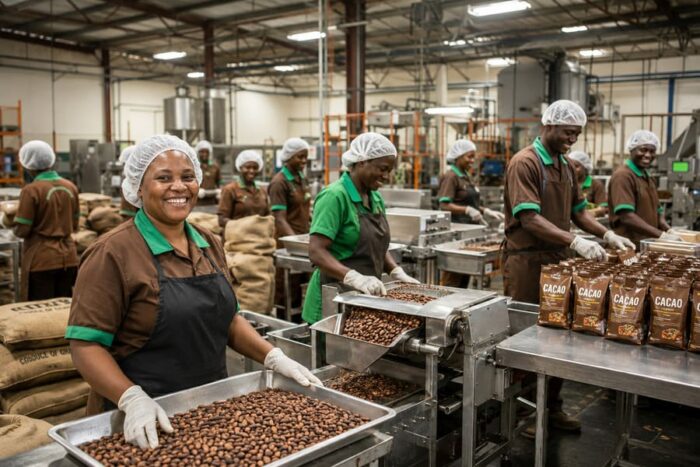
The most immediate application of advanced European industrial machinery in Africa is in the agribusiness sector, where post-harvest losses historically exceeded thirty percent due to fragmented supply chains and inadequate cooling infrastructure.
To resolve these bottlenecks, SADC agro-processors are investing heavily in European cold-chain engineering, automated sorting lines, and food-processing machinery:
- Automated Sorting and Grading: Utilizing Spanish and Italian optical sorting technology allows local packaging facilities to meet the strict aesthetic and phytosanitary standards of European retail markets.
- Cold-Chain Infrastructure: Integrating German and French industrial refrigeration systems into regional Rural Aggregation Points (RAPs) ensures that high-value fresh produce remains preserved from field to port, minimizing product loss and protecting export value.
- Value-Addition Processing: Transitioning from exporting raw crops to manufacturing refined goods requires specialized industrial lines. For instance, successfully scaling the agribusiness in Zambia through local food processing requires specialized milling and extrusion equipment capable of converting raw grain into high-value consumer brands (such as eeZee noodles by Java Foods Limited).
By importing these advanced industrial lines, African enterprises do not just export finished goods. They build local technical capacity, train local operators in advanced industrial maintenance, and permanently elevate the manufacturing standards of the regional SADC supply chain.
3. The Technology Sourcing & Setup Value Chain
Importing and installing heavy industrial machinery requires a highly coordinated, multi-phase operational process. The following schema outlines the standard B2B value chain for technology transfer between Europe and Africa:
Table 1: Sourcing & Commissioning Process Flow
- Phase I: Technical Audit & Specification
- Operational Objective: Define capacity requirements, output throughput targets, local energy constraints, and ATIS-aligned compliance standards.
- Phase II: Procurement & Customization
- Operational Objective: Source machinery from certified European OEMs; customize equipment for tropical climates, voltage fluctuations, and ensure ESG/EUDR traceability hooks are embedded.
- Phase III: Logistics, Customs & Transit
- Operational Objective: Manage ocean freight, secure cargo insurance, and optimize customs clearance latency at SADC/ECOWAS gateway ports (such as Tanger Med or Namport).
- Phase IV: Installation & Local Capacity Building
- Operational Objective: Physical installation by certified engineers; training local operators under the DCCI framework to ensure preventive maintenance self-sufficiency.
4. Key European Machinery Verticals for African Industrialization
The selection of industrial technology must align with the specific resource endowment and manufacturing maturity of each regional hub. The table below categorizes the primary machinery verticals imported from Europe to drive local value-addition:
Table 2: European Machinery Verticals & Target Sectors
- Vertical: Food Processing (Milling, Extrusion, Bottling)
- Primary European Exporters: Italy, Spain, France.
- Target African Industries: Grains, wheat, oilseeds.
- Vertical: Industrial Cold-Chain & Refrigeration
- Primary European Exporters: Germany, France, Netherlands.
- Target African Industries: Horticulture, dairy, beef processing (e.g., Selebi-Phikwe, Lato Milk).
- Vertical: Automated Sorting & Grading Lines
- Primary European Exporters: Spain, Italy, Netherlands.
- Target African Industries: Fresh fruits, avocados, citrus for global export markets.
- Vertical: Renewable Power Generation & Microgrids
- Primary European Exporters: Spain, Germany, Italy.
- Target African Industries: Special Economic Zones (SEZs) and industrial parks requiring independent power.
5. Compliance and Efficiency: Meeting EU Standards at the Source
The regulatory landscape of international trade is becoming increasingly stringent. European trade mandates, such as the Corporate Sustainability Due Diligence Directive (CS3D), the EU Deforestation Regulation (EUDR), and the transitional phases of the Carbon Border Adjustment Mechanism (CBAM), require absolute traceability and emissions monitoring.
For African manufacturers looking to enter the South African market or export directly to Europe, meeting these compliance standards is impossible without modern, energy-efficient machinery. Old, coal-fired, or highly inefficient processing units fail to meet carbon-footprint reporting requirements.
By importing modern, energy-efficient European industrial machinery, African processors achieve a dual benefit:
- They reduce operational overheads through lower energy consumption and minimized raw material waste.
- They automate the collection of production data, making it seamless to report carbon footprints and sustainability metrics to international compliance authorities.
6. B2B Risk Mitigation: Connecting with Audited Partners
For European machinery manufacturers seeking to establish local distribution networks, and African processors looking to import verified equipment, digital discovery and independent auditing are the cornerstones of risk mitigation.
Vetting partners through an independent database ensures that transactions are protected from unverified brokers. On the ProdAfrica B2B, utilizing our advanced search filters to identify verified corporate entities is the definitive standard to find verified suppliers in Africa, helping international businesses build resilient, compliant, and highly advanced industrial trade corridors.
Through the integration of our secure “Verification Tier” selection tool, European machinery exporters can quickly discover verified African agro-processing hubs that possess the financial solvency and operational readiness to invest in high-ticket capital expenditures (CAPEX), eliminating market entry friction and building secure, bilateral pipelines.
7. The Dual-Benefit of Industrial Co-Development
The future of trade along the Europe-Africa corridor lies in industrial co-development. By matching Europe’s world-class engineering and machine-building capabilities with Africa’s vast raw material endowment and growing domestic demand, both regions secure a more resilient economic future.
As African enterprises continue to invest in advanced European industrial machinery in Africa, they do not just purchase equipment; they acquire the means to build sustainable, self-funding industrial ecosystems that drive local purchasing power and regional prosperity under the DCCI model.
By auditing these capabilities under the unified ATIS Standard framework, ProdAfrica does not merely list companies; we map the technological corridors that are actively engineering the next generation of sovereign global trade.