The development of sustainable tourism in North Africa—spanning Morocco, Egypt, Tunisia, Algeria, Libya, and Sudan—represents a cornerstone of regional GDP, foreign exchange generation, and employment. However, the traditional growth model of the Mediterranean tourism corridor has historically suffered from structural vulnerabilities: high import leakage, centralized resort enclaves detached from local economic fabrics, and a heavy reliance on external macroeconomic shocks. Applying the Development Based on Internal Consumption Capacity (DCCI) framework to the North African hospitality sector offers an alternative paradigm. By shifting from extractive, enclave-driven tourism to an “inside-out” model that prioritizes local value chains, intra-regional African mobility (boosted by the AfCFTA), and strict ESG compliance, North African hospitality can secure long-term, self-sustained prosperity and high-authority B2B investment.
The Structural Paradox of North African Tourism.The Role of Sustainable Tourism in North Africa
For decades, the tourism narrative across North Africa was defined by volume, coastal mega-resorts, and standardized European package holidays. While this model generated substantial headline visitor numbers, it carried an invisible economic cost known in economic development theory as “tourism leakage.” A significant portion of every dollar spent by a tourist flowed immediately back out of the host nation to pay for imported food, foreign management contracts, international booking platforms, and imported capital goods.
Under the DCCI framework (Development Based on Internal Consumption Capacity), this extractive loop is recognized as a fundamental barrier to true economic sovereignty. Endogenous prosperity in the hospitality sector requires that the revenue generated by tourism directly stimulates local agricultural cooperatives, regional manufacturing, and domestic purchasing power.
For international institutional investors, hotel groups, and B2B procurement directors, the future of tourism in North Africa lies not in building isolated concrete enclaves, but in co-developing integrated, high-integrity hospitality ecosystems that comply with modern European and global sustainability standards.
Country-by-Country Strategic Analysis: North Africa and the Mediterranean Corridor
1. Morocco: Scaling Sustainable Luxury and Proximity Agribusiness
Morocco stands as a continental benchmark for tourism infrastructure, successfully balancing heritage tourism in Marrakech and Fez with coastal development in Agadir and Tangier.
- The DCCI Application: Morocco’s success hinges on its deep vertical integration between urban hospitality and regional agriculture. High-end eco-lodges and international hotel chains are increasingly mandated to source organic produce, olive oil, and textiles directly from local cooperatives in the Souss-Massa and Atlas regions.
- B2B Investment Focus: B2B opportunities in Morocco center on sustainable property management, renewable energy integration for desert resorts, and supply chain traceability solutions that satisfy strict European ESG mandates.
2. Egypt: Integrating Cultural Heritage with Regional Supply Chains
Egypt boasts some of the world’s most resilient cultural assets, anchored by the Giza Pyramids, Luxor, and the Red Sea diving corridors.
- The DCCI Application: The structural challenge in Egypt has been isolating tourist consumption from local community development. The DCCI model promotes “inclusive heritage circuits,” where visitor revenues directly fund vocational training in traditional crafts, local culinary arts, and decentralized water-management technologies.
- B2B Investment Focus: Opportunities focus on smart-hotel infrastructure, green-certified marine tourism in the Sinai Peninsula, and large-scale digital procurement platforms connecting Nile Delta agricultural producers with Cairo and Red Sea hotel kitchens.
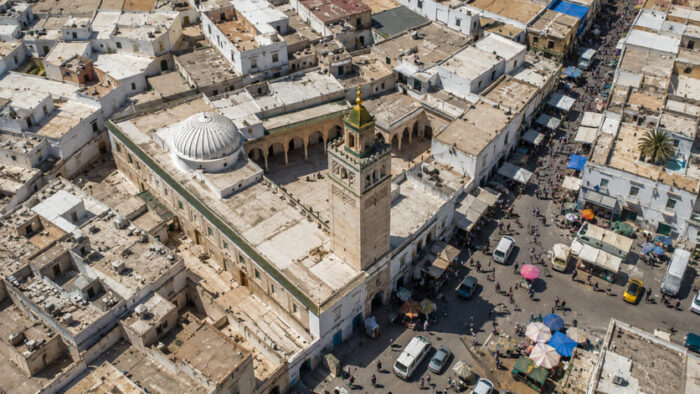
3. Tunisia: Diversifying Beyond Coastal Enclaves
Tunisia’s tourism sector has historically leaned heavily on Mediterranean beach tourism along its eastern coastline.
- The DCCI Application: Economic resilience requires decentralizing tourism toward the interior and the south—integrating Saharan adventure tourism, cultural heritage in Kairouan, and agricultural agritourism in the north. By elevating regional purchasing power in secondary towns, Tunisia can build a more balanced, shock-resistant domestic market.
- B2B Investment Focus: Investment in boutique digital-nomad infrastructure, rural heritage preservation projects, and specialized supply chains for regional handicraft cooperatives.
4. Algeria, Libya, and Sudan: Frontier Tourism and Long-Term Institutional Readiness
While Algeria, Libya, and Sudan present complex geopolitical and logistical landscapes, their long-term tourism potential remains immense—ranging from the Tassili n’Ajjer prehistoric art sites in the Algerian Sahara to the ancient Nubian monuments of Sudan.
- The DCCI Application: In these frontier markets, tourism cannot be rushed; it must be built from the ground up through institutional capacity building, micro-infrastructure development, and cross-border security cooperation. The foundational priority must be establishing structured, legally sound local market networks before opening up to mass international traffic.
- B2B Investment Focus: Long-term foundational infrastructure, institutional capacity-building advisory, and digital mapping of cultural assets to prepare for future regional integration under the AfCFTA.
Operationalizing DCCI in Hospitality: Three Strategic Shifts
To transition North African tourism from an extractive model to a sovereign economic engine, three operational shifts must occur across the Mediterranean corridor:
1. Eradicating Import Leakage via Local Agribusiness Integration
Hotels consume massive volumes of food, textiles, and energy. When these are imported, the economic multiplier effect is lost. Under the DCCI model, hospitality groups must partner directly with domestic farmers and food processors. By shortening the supply chain from farm to hotel kitchen, resorts retain capital within the national economy, lower their carbon footprint, and guarantee absolute ingredient freshness.
2. Capitalizing on Intra-African Mobility and the AfCFTA
Historically, North African tourism marketing targeted exclusively European, North American, and Gulf markets. However, the operationalization of the African Continental Free Trade Area (AfCFTA) and the rise of a confident, mobile African middle class create a massive new demographic. Facilitating visa-free or visa-on-arrival mobility across African borders allows North Africa to capture the booming intra-African business and leisure travel market.
3. Meeting Global ESG and CBAM Compliance Standards
European hotel investors and tour operators face legally binding environmental mandates, such as the Corporate Sustainability Due Diligence Directive (CS3D) and the Carbon Border Adjustment Mechanism (CBAM). North African tourism operators must upgrade their energy grids to solar and wind, implement zero-waste water recycling, and verify their supply chains through independent auditing standards like the ATIS Standard (African Trade Intelligence Standard) to de-risk investment and secure long-term European partnerships.
Re-Engineering the Mediterranean Gateway
The future of tourism in North Africa does not rely on perpetuating twentieth-century mass-market enclaves. By anchoring hospitality development to the principles of the DCCI Framework—strengthening local supply chains, elevating regional purchasing power, and leveraging intra-African trade integration—the nations of the Mediterranean corridor can transform tourism into a powerful instrument of enduring industrial sovereignty and balanced economic growth.
Research Sources & Institutional References
- World Tourism Organization (UN Tourism): Regional performance reports and sustainable tourism development guidelines for North Africa and the Mediterranean.
- African Development Bank (AfDB): Economic outlooks, regional infrastructure development reports, and financing frameworks for the Mediterranean corridor.
- Food and Agriculture Organization (FAO): Reports on local agricultural supply chain integration within the hospitality and tourism sectors.
- African Continental Free Trade Area (AfCFTA) Secretariat: Protocols on services trade, business mobility, and regional economic integration.
- ProdAfrica B2B Intelligence Hub: Proprietary analytical frameworks, including the DCCI Framework (Development Based on Internal Consumption Capacity) and the ATIS Standard (African Trade Intelligence Standard) market assessments.