The global energy transition is reshaping the economics of mineral production and supply chains. Copper plays a central role in electricity networks, renewable energy infrastructure and electric vehicles, while cobalt remains important in several battery chemistries. As demand for reliable mineral supplies continues to shape industrial strategies, the geography of copper mining in Africa is becoming increasingly important to international manufacturers, mining companies and engineering service providers.
The traditional Central African Copperbelt, spanning the Democratic Republic of the Congo (DRC) and Zambia, remains a major global centre of copper production. Further south, Botswana’s Kalahari Copper Belt is developing into an increasingly significant mining region. Together with emerging transport infrastructure linking inland mining areas to regional and international markets, these developments create opportunities for industrial investment, specialised services and cross-border business partnerships.
The challenge is not simply to extract more minerals. It is to develop competitive local supply chains, improve logistics, strengthen responsible sourcing and capture a greater share of the economic value generated by mineral resources.
1. The Geological Divide: Central Africa and the Kalahari Copper Belt
The landscape of copper mining in Africa encompasses distinct geological regions with different production profiles, infrastructure requirements and investment opportunities.
The Central African Copperbelt, extending across the DRC and Zambia, is one of the world’s most important copper-producing regions. The DRC is also a leading global producer of cobalt, a mineral used in certain rechargeable battery chemistries. The region’s established mining industry supports demand for processing technology, industrial maintenance, transport services, power infrastructure and specialised engineering.
Both countries have also pursued greater domestic value addition. Initiatives to develop regional battery value chains and industrial processing capabilities reflect an ambition to retain more economic activity within Africa. However, policy commitments, announced investments and planned industrial facilities should be distinguished from projects that have reached commercial operation. The scale of future processing and manufacturing will depend on investment, energy availability, technical capacity, infrastructure and market competitiveness.
For international suppliers considering market entry in the DRC or Zambia, opportunities therefore extend beyond mineral extraction. Processing equipment, plant maintenance, water management, electrical systems and industrial automation are among the areas worth assessing against the needs of individual operators.
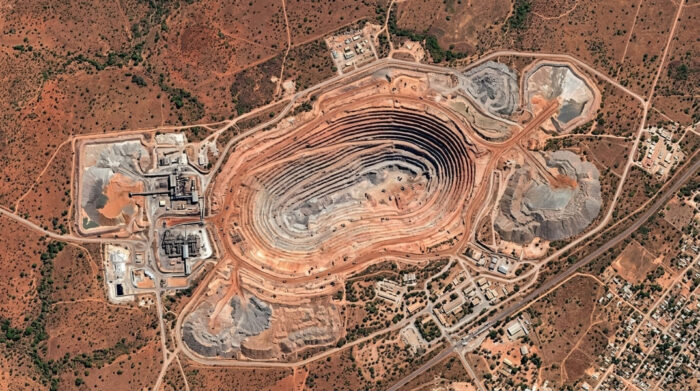
The Kalahari Copper Belt offers a complementary perspective. Located primarily in northwestern Botswana, it hosts established mining operations, including Khoemacau and the Motheo copper mine. These operations provide a foundation for demand for mining equipment, technical services, logistics and operational support.
The two regions should not be treated as a single integrated mining district. Their commercial relationship depends on actual transport connections, supply-chain requirements, investment decisions and the development of regional industrial capabilities.
2. Botswana: An Established Institutional Base for Mining Services
Botswana offers a comparatively stable institutional environment, an established mining sector and experience in managing international commercial relationships. Its geographic position also gives it potential to support selected mining-related services across Southern Africa.
However, describing
as a risk-free financial or operational safe haven would be misleading. In September 2026, S&P Global Ratings maintained the country’s long-term sovereign rating at BBB− with a negative outlook. Botswana remains investment grade under this assessment, but its economic exposure to the diamond market and broader fiscal pressures underline the need for careful commercial risk analysis.
For European engineering companies, equipment distributors and mining consultants, Botswana may provide a useful base for evaluating regional opportunities. Gaborone and Francistown can serve as practical points from which to explore business relationships, subject to the location of clients, transport connections and the requirements of each project.
The decision to establish a regional office should nevertheless be based on more than institutional stability. Relevant considerations include customer proximity, customs procedures, transport costs, staffing, taxation, work permits and the regulatory requirements of the countries in which services will be delivered.
For African mining operators, partnerships with established local suppliers can also be important for equipment maintenance, spare-parts availability, technical training and operational continuity.
3. Logistics and the Development of Regional Trade Corridors
Mining competitiveness depends on more than the quality or quantity of mineral deposits. The movement of machinery, consumables and mineral products can significantly influence project costs and delivery schedules.
Two infrastructure initiatives are particularly relevant to the changing geography of copper mining in Africa..
The Kazungula Bridge and the North–South Corridor
The Kazungula Bridge connects Botswana and Zambia across the Zambezi River and incorporates One-Stop Border Post facilities on both sides. Officially commissioned in May 2021, the project was designed to improve regional connectivity and facilitate trade along the North–South Corridor.
For mining businesses, the bridge provides an important alternative to the former ferry crossing and supports road transport between Botswana, Zambia and wider regional markets.
Its benefits should not, however, be confused with unrestricted or automatic freight movement. Actual transit times depend on customs procedures, border operations, road conditions, traffic, cargo requirements and the efficiency of the wider transport network.
For suppliers serving the mining industry, route selection should therefore consider total delivered cost, reliability, border formalities and the specific origin and destination of each shipment.
The Lobito Corridor: An Atlantic Gateway for Central African Minerals
The Lobito Corridor links Angola’s Atlantic coast with the mining regions of the DRC and Zambia through a combination of rail and road infrastructure. Supported by international development partners, including the European Union and its Global Gateway initiative, the corridor is intended to strengthen regional connectivity and facilitate access to international markets.
The European Commission identifies the potential to reduce freight transit times between the inland mining regions and the sea from more than a month to approximately one week. This is an indicative corridor-level objective, not a guaranteed end-to-end delivery time for every shipment.
The corridor’s commercial impact will depend on the performance and capacity of the relevant infrastructure, the availability of reliable freight services, border procedures, connections to mining sites and port operations. The development of additional connections towards Zambia also involves further infrastructure work and investment.
For European businesses, the corridor may create opportunities in freight forwarding, railway services, cargo handling, warehousing, equipment supply and logistics management. For African producers, improved access to alternative export routes could support greater choice in transport planning and market access.
These benefits should be assessed on a route-by-route basis rather than assuming that one corridor will automatically replace existing export routes.
4. Value Addition: From Mineral Extraction to Industrial Capability
Increasing domestic value addition has become the most important objective for the future of copper mining in Africa. Processing minerals locally can create opportunities for skilled employment, technical services, industrial investment and the development of supporting businesses.
However, the economic case for local processing varies by mineral, product and location. Refining and downstream manufacturing require dependable energy supplies, water, skilled labour, infrastructure, capital and access to competitive markets. In some cases, regional processing arrangements may be more commercially viable than duplicating facilities in every producing country.
For the DRC and Zambia, opportunities include the development of processing capacity, industrial services and selected stages of battery-related value chains. Botswana’s growing copper sector creates a different set of potential opportunities in mining services, operational support and the development of related industrial capabilities.
For European suppliers, the practical question is which products and services African operators need, which local partners can deliver them and what commercial conditions are required for a sustainable partnership.
This approach is more useful than assuming that the entire region is already transitioning from raw mineral exports to fully integrated battery manufacturing.
5. ESG, Responsible Sourcing and European Market Requirements
Responsible sourcing and supply-chain transparency are increasingly important considerations for companies operating in international mineral markets. European manufacturers and their suppliers must assess the environmental, social and governance requirements applicable to their activities and the materials they purchase.
The European Union’s Critical Raw Materials Act seeks to strengthen the security, resilience and sustainability of critical raw material supply chains. It also supports cooperation with third countries to develop mutually beneficial supply relationships and value chains.
Nevertheless, the Act should not be interpreted as a universal certification requirement for every copper or cobalt shipment. The obligations applicable to a company depend on the relevant legislation, product, activity and supply-chain relationship. The EU’s conflict-minerals framework, for example, specifically addresses tin, tantalum, tungsten and gold rather than establishing an equivalent general rule for all copper and cobalt imports.
For mining operators and their business partners, relevant areas of work may include:
- Environmental monitoring and reporting.
- Water management and treatment.
- Energy efficiency and renewable energy integration.
- Occupational health and safety systems.
- Mineral-origin documentation and supply-chain traceability.
- Supplier assessment and applicable due diligence procedures.
- Waste management and responsible mine closure planning.
Digital traceability systems, including blockchain-based solutions, may support particular supply chains, but their suitability depends on customer requirements, implementation costs and the quality of the underlying data.
European technology providers and African mining companies can benefit from identifying the specific compliance requirements relevant to their commercial relationships before investing in certification systems or digital tools.
6. Strategic Outlook: The Future of Copper Mining in Africa
The ongoing development of copper mining in Africa, particularly in the DRC, Zambia and Botswana, illustrates the diversity of opportunities emerging across Africa’s mineral economy. The Central African Copperbelt remains a major production centre, while Botswana’s Kalahari Copper Belt adds another important dimension to the regional mining landscape.
At the same time, infrastructure initiatives such as the Kazungula Bridge and the Lobito Corridor are changing the options available to inland producers and businesses serving the mining industry. Their long-term impact will depend on reliable operations, efficient border procedures, continued investment and the development of complementary logistics services.
For European engineering firms, mining technology providers and industrial suppliers, opportunities may emerge in equipment, maintenance, industrial processing, energy, water management, environmental services and responsible sourcing.
Realising these opportunities requires country-specific market intelligence, reliable business information and a clear understanding of local operating conditions. Companies must assess prospective partners, applicable regulations, logistics costs and project requirements rather than assuming that regional growth automatically translates into commercial success.
ProdAfrica supports business visibility and potential B2B connections across African markets, helping companies present their capabilities and explore cross-border business opportunities. By improving access to business information, the platform contributes to a more informed approach to commercial engagement between African enterprises and international partners.
The future of Africa’s copper economy will depend not only on mineral resources, but also on the ability to develop competitive businesses, stronger regional connections and sustainable industrial value chains.