Executive Summary
The development of sustainable tourism in west and southern africa—stretching from the mature industrialised safari and coastal infrastructure of South Africa, Botswana, Namibia, and the SADC region, to the vibrant cultural, historical, and economic hubs of Nigeria, Ghana, Senegal, and the ECOWAS coast—represents a diverse mosaic of commercial opportunity. Unlike enclave-driven models, the maturation of tourism across these dynamic territories requires deliberate alignment with the Development Based on Internal Consumption Capacity (DCCI) framework. By transforming mature tourism sectors into catalysts for regional manufacturing, leveraging intra-African business travel through the AfCFTA, and enforcing stringent ESG and ATIS-backed supply chain compliance, West and Southern Africa can anchor long-term, self-sustained industrial sovereignty.
Introduction: The Impact of Sustainable Tourism in West and Southern Africa
For decades, tourism in Southern Africa was categorised by world-class wildlife and scenic luxury, while West Africa remained largely overlooked for leisure, functioning primarily as a destination for corporate and diplomatic business travel. Today, this dichotomy is fading. Both regions are witnessing a rapid convergence of leisure, cultural heritage, business tourism (MICE), and industrial integration.
Under the DCCI framework (Development Based on Internal Consumption Capacity), the economic potential of tourism in these regions is unlocked not merely by counting visitor arrivals, but by measuring how deeply the tourism value chain penetrates the domestic economy. When a luxury hotel in Cape Town, a business lodge in Lagos, or an eco-resort in Kasane sources its construction materials, renewable energy systems, furniture, and food from local small and medium-sized enterprises (SMEs), tourism becomes a powerful engine of endogenous industrialisation.
For international hospitality groups, real estate developers, and institutional investors, succeeding in West and Southern Africa demands strict adherence to local value-addition, transparent corporate governance, and rigorous sustainability standards.
Country-by-Country Strategic Analysis: West & Southern Africa
1. South Africa: The Mature Industrial and MICE Capital
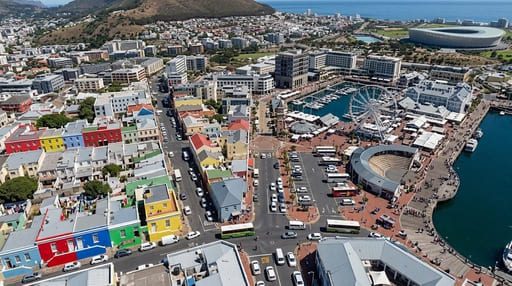
South Africa possesses the most structurally mature tourism and hospitality infrastructure on the continent, anchored by Cape Town, Johannesburg, and national wildlife reserves.
- The DCCI Application: South Africa’s challenge is structural inequality and high import dependency within luxury hospitality supply chains. The DCCI framework mandates transitioning procurement toward township-based enterprises, black-empowered agricultural cooperatives, and local green-tech manufacturers.
- B2B Investment Focus: Investments in smart-building tech, urban regeneration for MICE (Meetings, Incentives, Conferences, Exhibitions) tourism, and localized supply chain integration for hospitality.
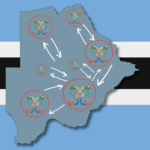
2. Botswana, Namibia, Zambia, and Zimbabwe: High-Value Conservation and Mining-Tourism Synergy
The heart of the SADC territory, featuring the Okavango Delta, Victoria Falls, Etosha, and rich mineral corridors.
- The DCCI Application: These nations balance high-value conservation with rapid economic diversification drives (such as Botswana’s push into agricultural self-sufficiency). Tourism acts as a stable foreign-exchange buffer against commodity price volatility in global mining markets, provided that lodge logistics rely on regional rural aggregation points (RAPs) and domestic food networks.
- B2B Investment Focus: Solar micro-grids for remote safari camps, cross-border logistics corridors, and community-owned eco-lodge equity models.
3. Angola, Mozambique, Eswatini, Lesotho, and Malawi: Emerging Coastal and Highland Corridors
Ranging from the Atlantic marine potential of Angola and Mozambique’s pristine Indian Ocean coastlines to the highland cultural heritage of Eswatini, Lesotho, and Malawi.
- The DCCI Application: Leveraging infrastructure mega-projects (such as the Lobito Corridor in Angola) to open up interior tourism and agricultural clusters simultaneously. Tourism serves to monetise secondary cities and rural transport links, elevating regional purchasing power.
- B2B Investment Focus: Coastal resort infrastructure, sustainable fisheries supply integration, and regional transport connectivity.
4. Nigeria and Ghana: West Africa’s Cultural, Creative, and Business Powerhouses
Nigeria (Lagos) and Ghana (Accra) drive West Africa’s economic pulse, supported by rich historical heritage, booming creative arts, and vibrant corporate trade.
- The DCCI Acceptance: West African tourism is heavily skewed toward business travel, diaspora home-coming, and cultural festivals. The DCCI model integrates the creative economy (film, music, fashion, and culinary arts) directly into the hospitality sector, ensuring that creative talent captures the economic surplus of its output.
- B2B Investment Focus: Business hotel complexes, creative arts incubation spaces linked to hospitality, and digital event-management infrastructure.
5. Senegal, Ivory Coast, Benin, Togo, and the Wider ECOWAS Coast
Rich in coastal ecosystems, historical trading routes, and dynamic agricultural processing hubs.
- The DCCI Application: Developing cultural heritage tourism (such as slave-route history and coastal marine reserves) while ensuring local communities retain ownership of hospitality assets. Connecting coastal hotel clusters with local mango, cashew, and fisheries cooperatives.
- B2B Investment Focus: Sustainable coastal real estate, eco-resort development, and cold-chain logistics for regional hospitality supply.
6. Mauritania, Niger, Mali, Guinea, Sierra Leone, Liberia, and Guinea-Bissau
Frontier markets characterized by rich cultural traditions, vast natural landscapes, and foundational infrastructural development.
- The DCCI Application: Prioritizing institutional foundation-building, basic transport links, and digital asset mapping of cultural heritage to prepare for future regional tourism integration under the AfCFTA framework.
- B2B Investment Focus: Foundational logistical support, digital mapping, and long-term capacity-building partnerships.
Operationalizing DCCI in West and Southern Africa: Three Strategic Pillars
To guarantee that tourism functions as a sovereign economic driver across these diverse territories, three operational mandates must be enforced:
1. Leveraging the AfCFTA for Intra-African Business and Leisure Travel
The operationalisation of the African Continental Free Trade Area (AfCFTA) removes trade barriers for goods, but its success relies equally on the free movement of business professionals, service providers, and tourists across borders. Easing regional visa restrictions for African passport holders unlocks the massive untapped potential of intra-African tourism and corporate conferencing.
2. Industrial Linkages: From Hotel Construction to Local Manufacturing
When constructing hotels, resorts, and conference centers, developers must prioritize locally produced building materials, furniture, and interior design elements. Sourcing manufactured goods locally within SADC and ECOWAS markets reduces capital outflow and builds a robust domestic industrial baseline.
3. De-Risking Investment via the ATIS Standard
Institutional investors and international hotel chains require absolute clarity regarding regulatory compliance, property rights, and supply chain integrity. By utilizing independent verification protocols like the ATIS Standard (African Trade Intelligence Standard), developers can de-risk their hospitality projects and prove total adherence to high-integrity corporate standards.
Anchoring Regional Sovereignty Through Balanced Tourism
The third part of this macro-analysis concludes that sustainable tourism in West and Southern Africa cannot be viewed merely as a leisure amenity. When structured through the lens of the DCCI Framework—integrating local supply chains, boosting intra-continental mobility, and anchoring regional manufacturing—tourism emerges as a foundational pillar of lasting, self-sustained economic sovereignty.
Research Sources & Institutional References
- World Travel & Tourism Council (WTTC): Regional economic data and tourism growth forecasts for West and Southern Africa.
- SADC & ECOWAS Secretariats: Regional integration policies, trade protocols, and cross-border infrastructure initiatives.
- African Development Bank (AfDB): Regional development reports, hospitality infrastructure financing, and investment corridor briefs.
- ProdAfrica B2B Intelligence Hub: Proprietary analytical frameworks, including the DCCI Framework (Development Based on Internal Consumption Capacity) and the ATIS Standard (African Trade Intelligence Standard) market assessments.